

Introduction:
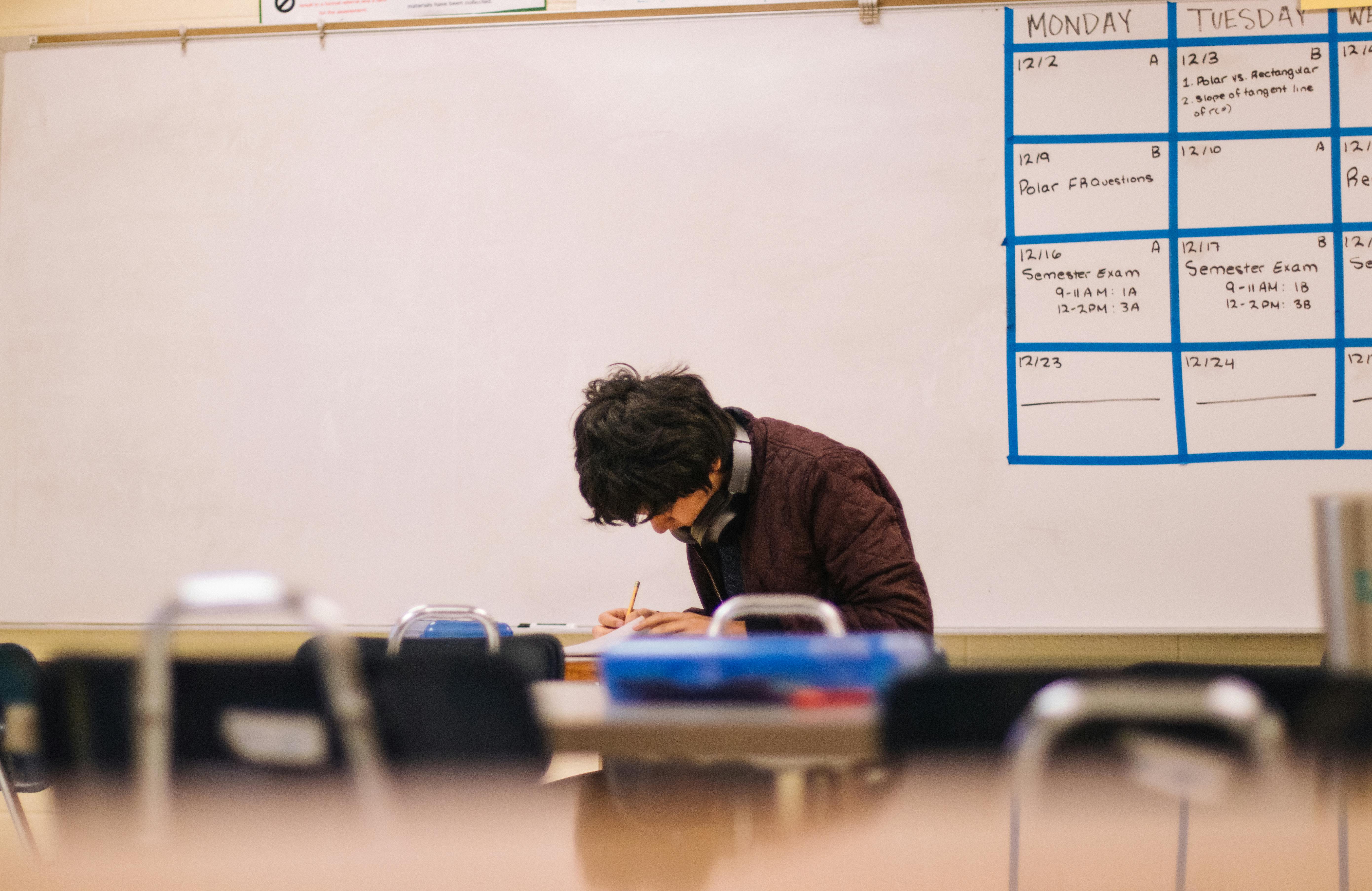
Being a student is often framed as the 'best years of your life'—a time of discovery, growth, and endless possibility. While this is true for many, it often glosses over a challenging reality: life as a student can be incredibly hard. The pressures aren't just academic; they are social, financial, emotional, and existential. It's a complex juggling act where the balls are numerous, heavy, and often fragile.
This isn't just about late-night study sessions or tough exams. It's about navigating a transitional phase of life with high stakes, limited resources, and an ever-present sense of needing to do more. Let's delve into the major factors that contribute to the unique difficulty of student life.
The Academic Avalanche
At the core of the student experience is, of course, the academic workload. This is more than just attending classes; it's a relentless cycle of reading, research, assignments, projects, and exams that can feel like an avalanche.
High Expectations and Competitive Environments
Modern education, particularly at the university level, is marked by fierce competition. Whether it's the pressure to get top grades for a postgraduate program or to secure a spot in a competitive career field, the stakes are constantly increasing. This translates into grueling self-imposed and externally-driven expectations. Students feel they must excel in every subject, join numerous extracurriculars, and build an impressive resume, often leading to burnout and constant anxiety about performance.
The Problem of Time Management
The sheer volume of work makes effective time management a Herculean task. A typical course load requires significant hours outside of class, but students are often expected to be full-time learners, employees (to fund their education), and active participants in social life and hobbies. The 24-hour day simply doesn't feel long enough. This continuous struggle to prioritize and complete tasks often results in chronic sleep deprivation, which further hampers cognitive function and emotional resilience.
The Financial Tightrope
One of the most profound and stressful aspects of student life is the financial burden. Education is expensive, and the cost of living continues to rise.
Tuition, Debt, and Basic Needs
The cost of tuition alone can saddle students with significant debt before they even start their careers. This debt acts as a constant shadow, increasing the pressure to succeed immediately upon graduation. Beyond tuition, students must cover rent, utilities, food, books, and transport. This often necessitates taking on part-time jobs, which further erode study time and contribute to exhaustion. The balancing act between earning money and maintaining academic performance is a classic, stressful student dilemma.
Financial Strain on Mental Health
The constant worry about money—making rent, buying groceries, or affording necessary materials—is a major contributor to poor mental health. It adds a layer of practical, survival-level stress to the academic pressures. Feeling financially precarious can isolate students, as they might feel unable to participate in social activities that cost money, further impacting their overall well-being.
The Identity Crisis and Social Pressures
The student years are a time of transition from adolescence to adulthood, a period often marked by an identity crisis and intense social dynamics.
Forming a Sense of Self
Students are often grappling with fundamental questions: Who am I? What do I want to do with my life? This search for identity is happening while they are simultaneously choosing a major that could define their career, moving away from home, and building a new social network. The pressure to make the 'right' life choices at a young age can be paralyzing.
Navigating New Social Environments
Moving to a college or university environment means adapting to a new social structure. Students must build new friendships, deal with the complexities of roommates, and find a sense of belonging. The omnipresence of social media only amplifies the pressure, creating an illusion that everyone else is having a perfect, exciting, and balanced life. This constant comparison can breed feelings of inadequacy, loneliness, and social anxiety.
The Mental Health Toll
All of these pressures converge to create a significant strain on mental health. The student population experiences high rates of anxiety, depression, and stress-related illnesses.
The Stigma and Lack of Resources
While mental health awareness is growing, many students still face a stigma against seeking help. Furthermore, university mental health services are often overstretched and under-resourced, leading to long wait times and insufficient support when students need it most. The culture of "hustle" and the perception that success requires constant overwork also discourage students from taking necessary breaks or admitting when they are struggling.
Sleep Deprivation and Its Effects
Chronic sleep deprivation is an epidemic among students. It’s often viewed as a badge of honor ("I pulled an all-nighter!"), but its effects are serious. Lack of sleep impairs memory, concentration, decision-making, and emotional regulation, creating a vicious cycle where poor sleep leads to poor performance, which in turn leads to more anxiety and less sleep.
Conclusion: Recognizing the Struggle
Life as a student is hard because it's a phase of intense, simultaneous growth and pressure. Students are tasked with mastering challenging academic material, managing complex financial responsibilities, navigating a turbulent personal and social life, and making foundational decisions about their future—all while living on a shoestring budget and often operating on inadequate sleep.
Recognizing the multifaceted nature of this struggle is the first step toward addressing it. For students, it's crucial to practice self-compassion, understand that imperfection is human, and prioritize well-being over unrelenting productivity. For the institutions and communities surrounding students, it’s a call to action: providing better mental health resources, addressing the rising costs of education, and fostering a culture that values learning and well-being over relentless achievement.
The student journey is an uphill climb, but with greater understanding and support, it can become a sustainable, rewarding path rather than a treacherous, isolated one. You are not alone in finding it difficult.

